
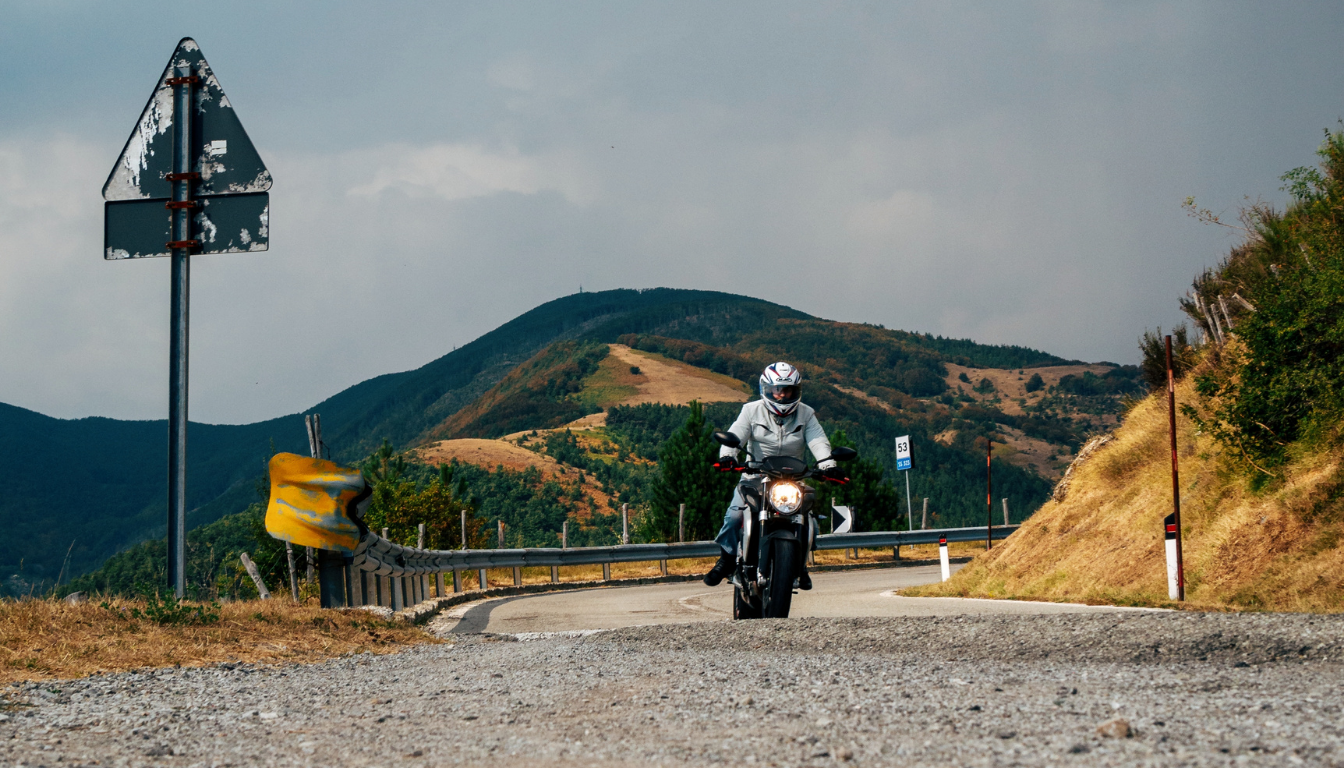
Long-distance ebike riding seems easy until the trail gets rough. Electric dirt bikes are heavier and faster, making every bump harder. That's why good suspension is key for a smooth ride.

Suspension acts like a shock absorber, softening the impact of bumps. A well-set fork and rear shock reduce the shock to your body. This helps keep your posture straight over long rides.
In the U.S., rides often mix different terrains in one day. Quick changes in terrain can quickly tire you out, even if you're strong at first. The right suspension lets you ride freely and explore without limits.
Now, let's dive into how suspension works. We'll look at the fork, rear shock, and linkages. We'll also compare different suspension types and how to keep your bike in top shape. Plus, we'll share what to look for in a reliable ebike brand for long trips.
Why Suspension Is Essential for Long-Distance E-Bike Comfort and Safety
Comfort and control on long rides depend on how the bike handles impacts. A good suspension setup makes the ride smoother. It keeps you relaxed and steady when the trail changes.

On rough terrain, small hits add up fast. Standard electric bikes feel harsher because of the motor and battery. They add 15–25 pounds, making impacts stronger.
Heavier and faster than a standard electric bike: why impacts feel harsher
Weight affects how a bike reacts to obstacles. The heavier it is, the more energy is transferred to you. This can strain your arms, shoulders, and hips.
Speed also plays a role. At higher speeds, even small bumps feel like big hits. This is because the wheel has less time to recover between impacts.
Shock absorption as the “buffer” that reduces rider fatigue and muscle fatigue
Shock absorption acts as a buffer between you and the trail. It softens impacts, so you don't have to stiffen up for every jolt.
This is important when you're tired. With less shock, you can ride longer without feeling the strain.
Off-road safety benefits: maintaining traction, safer braking, and high-speed stability
Suspension helps keep tires in contact with the ground. This is key on gravel, roots, or wet patches. It prevents sudden slides.
It also makes braking safer. When the wheel stays planted, you're less likely to skid or lock up during stops.
At high speeds, suspension improves stability. This means the bike tracks straighter, needing fewer corrections.
How unexpected bumps trigger wrist numbness, lower back pain, and early physical limits
Direct hits from the bike can cause wrist numbness. This happens when you grip harder to stay steady.
These impacts also affect your lower back. They can lead to pain, even if your battery is full.
- Hands and wrists take the sting from sharp edges and chatter
- Lower back and hips absorb repeated rear impacts on uneven trail
- Legs work less as “extra suspension,” saving energy for distance
Long-distance ebike riding, Comfortable trail riding ,High-power electric bike
Comfort is key on long rides. A high-power electric bike can go far but feels every bump. That's why a bike that smooths out shock is more important than speed.

Why higher speeds like 45-55mph magnify vibration and fatigue on rugged off-road trails
At 45-55mph, even small bumps feel big. On rough trails, vibrations add up fast. This makes it hard to stay relaxed and focused.
Speed also makes it harder to react quickly. When the bike jumps over rough ground, your body acts as a shock absorber. This takes a lot of energy, making it harder to ride safely.
How front and rear dual suspension helps smoothing out bumps during rugged backcountry exploration
In the backcountry, the terrain changes quickly. Dual suspension helps by soaking up shocks and reducing buzz. This makes for a smoother ride, helping you stay relaxed and efficient.
- Less harsh feedback through the bars and pedals on repeated hits
- More control when the surface turns loose, rocky, or off-camber
- Better pacing because you stop less often to shake out sore arms
Traction and control advantages on off-road trails when both wheels stay planted
Dual suspension keeps both wheels in contact with the ground. This improves traction and control on off-road trails. It's most important when you're tired, as it helps the bike stay stable.
Stability is like rest on long rides. When the bike settles quickly after a bump, you use less energy to stay on course. Over time, this can feel like getting extra energy.
How Front and Rear Dual Suspension Works to Reduce Fatigue
Long off-road rides can be tough. But, front and rear dual suspension makes them easier. It absorbs shock and releases it slowly, so you feel less impact. This keeps your hands, shoulders, and back from getting tired.
Front fork role
The front fork protects you from bumps and drops. It compresses to soften the impact, reducing arm pump. This makes steering easier, even on rough terrain.
Rear shock role
The rear shock eases the shock you feel through the seat and pedals. It helps prevent lower back fatigue on long rides. It keeps the bike stable on bumpy trails.
Linkages and pivots
Linkages and pivots guide the rear wheel's movement. They allow for smooth suspension action. This improves traction and makes the ride less tiring.
Suspension travel basics
Suspension travel affects how comfortable you feel. It's important to choose the right travel for your riding style. Short, medium, or long travel options are available.
- Short travel (80–120mm): steadier feel for commuting and light trails, with less bob on smoother ground.
- Medium travel (120–160mm): a balanced range for mixed surfaces and moderate mountain trails.
- Long travel (160mm+): more margin for aggressive downhill lines and extreme off-road hits.
Many bikes offer adjustments for rebound and compression. These settings help adapt to changing terrain. With the right settings, your bike will support you without feeling harsh, even on long rides.
Full Suspension vs Hardtail vs Rigid: What Actually Changes on Rough Terrain
On rough ground, the type of bike frame affects how much you feel bumps. Bumps can hit your hands and back hard. Choosing between hardtail, full suspension, or rigid depends on comfort, control, and staying fresh.
Hardtail strengths for lighter-duty trails and mixed surfaces
A hardtail has front suspension to soften hits from rocks and curbs. It's lighter, more affordable, and easier to maintain than full suspension. It's good for commutes, park paths, and mixed surfaces, feeling quick and direct.
Wide tires on a hardtail make it smoother over chatter and loose gravel. They add cushion and grip, making it easier to handle small bumps without feeling jolted.
Full suspension benefits for long rides and technical sections
Full suspension adds a rear shock, so both wheels follow the terrain. This reduces body bracing and hard spikes through the pedals and saddle. On long rides, it keeps you focused in technical sections.
It also improves traction on uneven surfaces. Cornering and braking feel calmer on broken dirt and rocky lines. The downside is more parts to maintain, but the control is worth it.
Rigid setups and why wide tires alone can’t match a heavy-duty suspension system
A rigid bike relies on tire volume and frame flex for its feel. It's great on smooth pavement but tough on gravel or rough paths. Wide tires help, but can't replace a heavy-duty suspension system when bumps pile up.
On choppy trails, tire-only compliance can fail. You might feel more skipping over small edges and vibration through your arms. This makes choosing lines more stressful, as the trail becomes less predictable.
Why full suspension becomes more important as speed and bike weight increase
As speed increases, impacts become harder and quicker. Adding a heavier bike makes this even worse. Full suspension becomes essential for many riders at this point.
More travel and better damping help the bike stay steady on changing trails. It supports steady handling when carrying momentum over rough ground. This means less fighting the bike and more time on the intended line.
JECHAM’s Motorcycle-Grade Approach to Prevent Rider Fatigue on Long Trips
Long rides can feel short when the trail beats up your hands, back, and legs. JECHAM focuses on endurance. This way, you can ride for freedom and explore without limits, even on rough routes.
Built by riders who think like engineers
JECHAM was founded by engineers and outdoor enthusiasts. They wanted more range, more control, and less strain over time. Their goal is simple: build machines that prevent rider fatigue, so the day doesn’t end early.
Motorcycle-grade structure for harder hits
A motorcycle-grade ebike needs more than power; it needs a strong chassis. JECHAM emphasizes a solid build with a solid motorcycle-grade frame. This is tuned for all-terrain capability on gravel, sand, ruts, and rock.
- Rigid feel where it counts so the bike tracks straight when the ground gets busy
- Better load handling for gear, long miles, and mixed surfaces
- Cleaner suspension response when the frame doesn’t flex and fight the shocks
Flagship dual suspension that smooths the trail
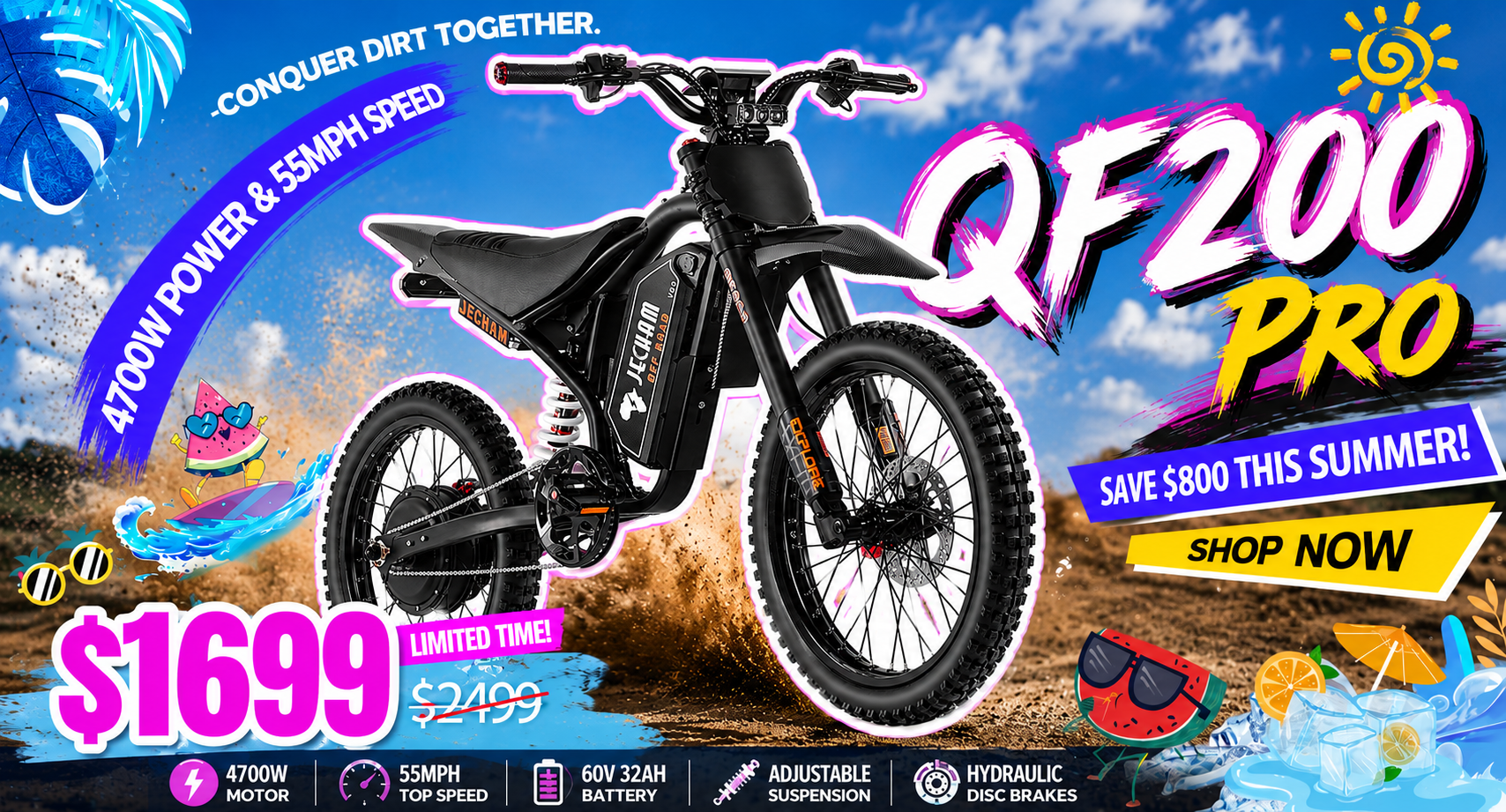
For riders who chase distance, JECHAM QF200PRO and JECHAM QL200 put dual suspension at the center of comfort. The goal is to smooth out chatter and sharp hits. This helps you keep a steady pace without burning out.
Options that match different ride styles
Not every trip looks the same, so the lineup keeps choices practical. JECHAM QF100 fits riders who want a capable setup for regular trail time. JECHAM BSV-60 suits those who mix paths, backroads, and weekend exploring without limits.
Power, Torque, Tires, and Stability: Why Suspension Matters More on High-Output Builds
A high-power electric bike feels smooth on flat ground. But, when the trail gets rough, it quickly becomes bumpy. On a 4700w electric bike or a 3000w electric dirt bike, suspension is key. It's not just for comfort anymore.
The JECHAM QF200PRO 4700w and JECHAM QL200 3000w can move fast. But, this speed makes uneven surfaces more challenging. A good fork and rear shock keep the bike steady on bumpy trails.
Torque is critical. With 250nm torque and 220nm torque, the bike wants to move forward quickly. Good suspension helps keep the tires in contact with the ground, improving traction.
This is even more important on a 250nm torque ebike. Quick throttle inputs can cause the bike to lose grip. But, with the right suspension, you can control the bike better and avoid surprises on rough terrain.
Tires also play a role, but they work best with suspension. 19 inch tires offer precision and agility. A 20 inch fat tire adds extra comfort on soft surfaces.
Yet, tires can't handle every bump. Suspension manages big movements, controls rebound, and keeps the bike straight. This predictability is essential for stability at high speeds on uneven trails.
- Power increases speed, and speed magnifies every impact.
- Torque loads the rear contact patch, so grip depends on staying connected to the ground.
- Tires add cushion and traction, while suspension keeps the chassis composed at pace.
Setup and Maintenance for Peak Performance on Long Trips
Even the best suspension needs basic setup for long rides. Start by adjusting sag to 20–30% of total travel. This makes the bike sit right under your weight.
This setup keeps the front end steady and the rear stable. It helps you stay fresh for longer rides.
Next, adjust rebound and compression to match your speed and terrain. If rebound is too fast, it can feel bumpy after hitting rocks and roots. But if it's too slow, it can make the bike feel low.
Compression that's too soft can cause the bike to bottom out on drops. But if it's too firm, it can send jolts to your hands.
Tires also play a role in performance. Aim for tire pressure that matches the load and surface. A slight drop in PSI can add comfort, but too low can lead to pinch flats and unclear steering.
For long rides, lockout systems can help. They firm up the ride on smooth stretches and open up when the trail gets rough.
Reliability comes from regular cleaning and lubrication. Clean fork and shock stanchions, and avoid high-pressure washers that can damage seals. Plan a service every 50–100 hours to keep everything running smoothly.
Also, check bolts and cockpit parts to keep your grip secure. And plan your range around a 62v 32ah battery to avoid rushing at the end of the day.
Share:
How much motor power does an electric dirt bike really need for steep hills?